Early Intervention
Evaluation, service coordination, and services for children from birth to age 3.

A state-run program for children from birth to 3, free to families who qualify
EI is administered in New York under the State Department of Health (NYS DOH). For a child who qualifies, evaluations and the services on their plan come at no cost to the family. The organizing document is the IFSP (the Individualized Family Service Plan), which sets the goals every provider then works toward.
Birth to age 3
Infants and toddlers with a diagnosed condition or a measured developmental delay.
The IFSP
A family-centered plan with measurable goals: the mandate services are delivered against.
No cost
Evaluations and IFSP services are provided at no cost to eligible families when authorized by NYS DOH.
Early Intervention in practice



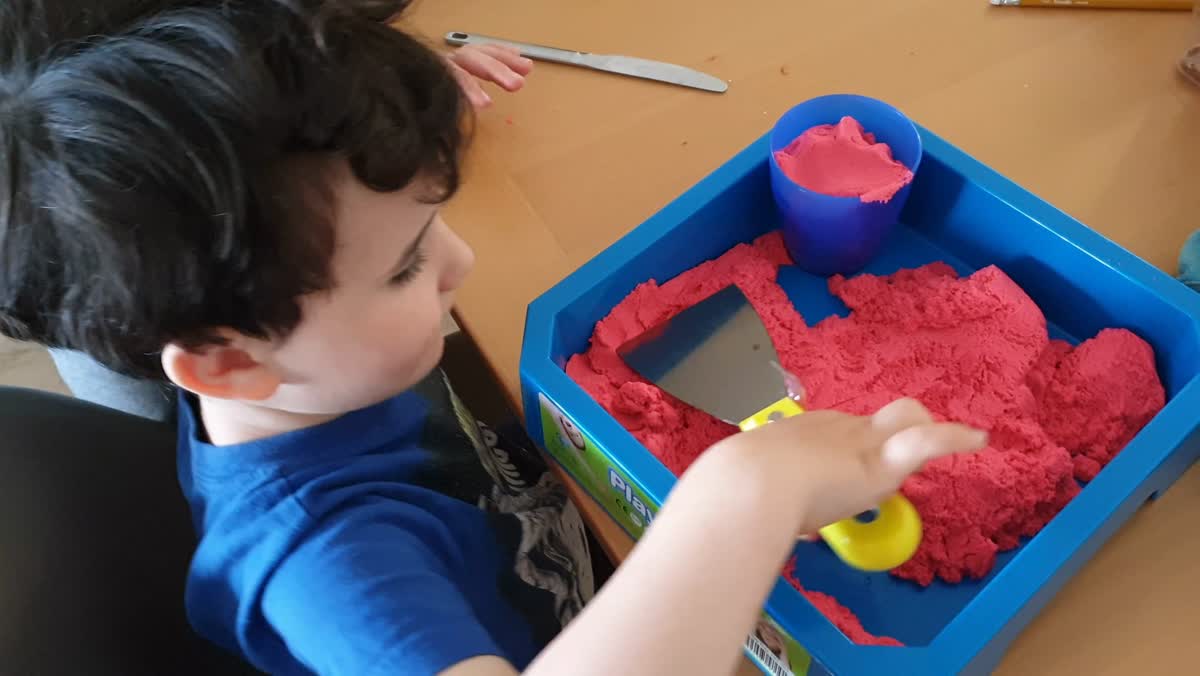
How to make a referral, and who qualifies
You don’t need a diagnosis or a lawyer to make a referral. After the referral, a no-cost evaluation decides eligibility.
How to refer
- Anyone can refer: a parent, a pediatrician, or another provider.
- We help families make the referral and support them from the first phone call onward.
- In NYC, call 311 and ask for the Early Intervention Program, or contact the NYC EIP directly.
- A referral leads to a no-cost evaluation that looks at all areas of your child's development.
- No formal diagnosis is required to start: a concern about development is enough.
- You can describe what you are seeing in your own words, and the no-cost evaluation that follows is what decides eligibility.
- Once referred, the program assigns an initial service coordinator, usually within days.
- This person guides your family through intake, the evaluation, the eligibility decision, and the first IFSP, which is the written plan for services.
We help families make the referral and support them from the first phone call onward.
What makes a child eligible
Eligibility is decided by a multidisciplinary evaluation, not by Knowledge Road or the family. In New York, a child from birth to 3 generally qualifies when they have:
- A diagnosed condition with a high probability of developmental delay (for example, Down syndrome).
- Eligibility is still decided through the multidisciplinary evaluation, not by us, so making a referral is how to find out.
- A 12-month delay in one or more areas of development.
- The evaluation looks at five areas: physical and motor, cognitive, communication, social-emotional, and adaptive or self-help skills.
- A 33% delay in one area, or a 25% delay in two or more areas.
- These figures come out of the no-cost evaluation, so you do not need to work out any numbers yourself before making a referral.
The evaluation looks at five areas: physical and motor, cognitive, communication, social-emotional, and adaptive or self-help skills.
From referral to the first plan: 45 days under New York law
New York sets a deadline for the program. From the day of referral, the evaluation, the eligibility decision, and the initial IFSP meeting must all happen within 45 days.
Pick any part of the sentence to see the detail.
Anyone (a parent, a doctor) refers the child to the Early Intervention Program.
- It starts the day of the referral
- It covers the evaluation, the eligibility decision, and the initial IFSP meeting
- All within 45 days, under New York law
An initial service coordinator is assigned within days to guide the family.
A no-cost multidisciplinary evaluation looks at all areas of development.
Eligibility is determined from the evaluation results.
If eligible, the family and team write the IFSP, and services begin.
Service coordinator vs. ongoing service coordinator
An initial service coordinator is assigned at referral and guides the family through intake, evaluation, eligibility, and the first IFSP. Once services begin, an ongoing service coordinator manages the plan: arranging providers, tracking progress, handling reviews, and preparing the transition at age 3. Often it’s the same person; either way, the family keeps one dedicated point of contact.
What happens at the IFSP meeting
The family, the service coordinator, and the evaluators meet to review the results. If the child is eligible, they write the Individualized Family Service Plan: the family’s concerns and priorities, the child’s present levels, measurable outcomes, and the specific services (type, frequency, location, and who provides them). The plan belongs to the family, and only the services written into it are delivered.
Six steps, with one coordinator throughout
EI involves many appointments and acronyms. A coordinator takes the family through them one step at a time.
Pick any part of the sentence to see the detail.
A single dedicated contact explains eligibility, timelines, and paperwork to the family.
We coordinate a developmental evaluation and connect the family with the right evaluators. Eligibility is determined from the results.
When a child is eligible, an Individualized Family Service Plan is developed with measurable goals: the document every service is then delivered against.
- Individualized Family Service Plan
- Holds the child's measurable goals
- Every service is delivered against it
We match qualified, background-checked providers to the services on the IFSP (special instruction, therapies, feeding, play) and keep them on schedule.
Coordinators handle scheduling, transportation, and authorization snags, and keep the plan updated with regular progress check-ins.
As a child approaches their third birthday, we help the family prepare the move into preschool special education (CPSE) so services continue without a gap.
Service coordination: one dedicated contact for the family
Service coordination is a distinct EI service: a single, dedicated contact who guides a family through evaluations, eligibility, service planning, and connecting with the right specialists. The coordinator manages the logistics, follows up on authorizations, and keeps the family informed at every step.
See the full education catalog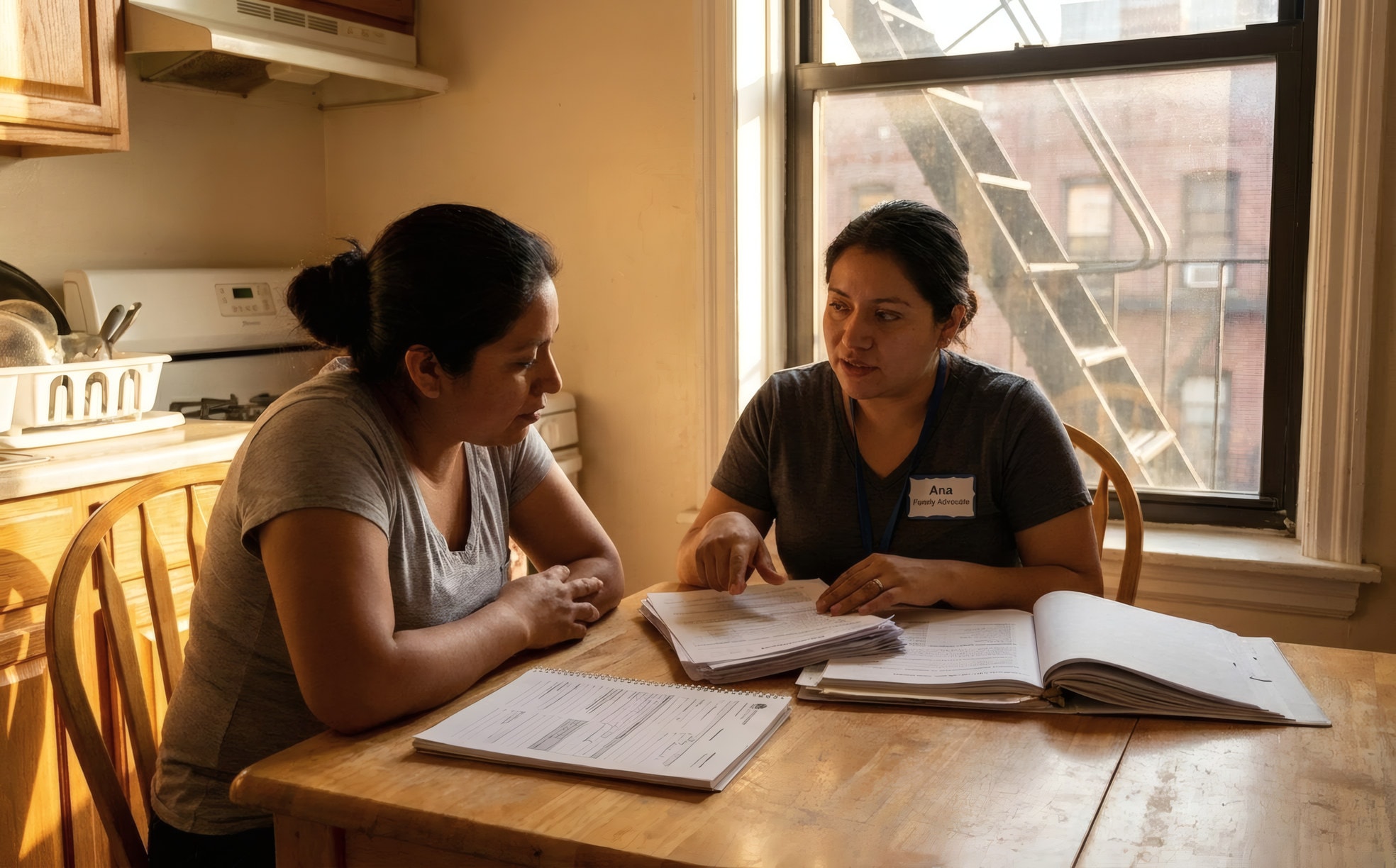
What families ask first
What is Early Intervention?
Early Intervention (EI) is New York's program for children from birth to age 3 who have a developmental delay or a diagnosed condition likely to cause one. It is administered under the New York State Department of Health, and evaluations and services are provided at no cost to eligible families.
How does a child qualify?
Eligibility is determined through a developmental evaluation, not by us. A child generally qualifies with a diagnosed condition or a measured delay in one or more areas of development. We coordinate the evaluation and, once a child is found eligible, help the family act on the results.
What does Early Intervention cost?
Nothing, for eligible families. When services are authorized through NYS Department of Health Early Intervention, evaluations, service coordination, and the services on the IFSP are provided at no cost to the family.
What services fall under Early Intervention?
Service coordination, child development evaluation, special instruction, speech, occupational and physical therapy, feeding therapy, and play therapy, each delivered against the goals written into the child's Individualized Family Service Plan (IFSP).
How do I make a referral?
Anyone can refer a child: a parent, a pediatrician, or another provider. In NYC, you can call 311 and ask for the Early Intervention Program, or contact the NYC EIP directly; no formal diagnosis is required to begin. Once a referral is made, the program assigns an initial service coordinator to guide you. We can also help you make the referral and guide you through each step from the first call.
How is eligibility determined, and how long does it take?
Eligibility is decided by a no-cost multidisciplinary evaluation, not by us or by you. In New York, a child from birth to 3 generally qualifies with a diagnosed condition likely to cause delay, a 12-month delay in one or more areas, a 33% delay in one area, or a 25% delay in two or more areas. By law, the whole process (evaluation, eligibility, and the first IFSP meeting) must be completed within 45 days of the referral.
What happens when my child turns 3?
Children transition out of Early Intervention around their third birthday, usually into preschool special education through the Committee on Preschool Special Education (CPSE). Our coordinators help families prepare for that transition so services don't lapse in the gap.
How do we get started?
Tell us your child's age and what you're seeing. Our coordination team responds to every inquiry within 24 hours, typically within 4–6 hours, and walks you through eligibility, evaluation, and next steps in plain language.
Start with a child development evaluation, explore Special Instruction / SEIT, or call (718) 540-8268.
If you have a concern about your child's development
- The doctor said to wait and see, but I think something is off.
- You do not need a doctor's referral or a diagnosis to ask for an Early Intervention evaluation. In New York City a parent can refer their own child by calling 311, and the evaluation comes at no cost to the family. Call us if you would like help making the referral.
- I am afraid of what this will cost, and whether our insurance gets billed.
- The city's Early Intervention Program describes its services as free for families regardless of income, immigration or insurance status. If you have health insurance, including Medicaid, it is used to help pay, at no direct cost to you. Your service coordinator can explain how that works for your family.
- I have heard families wait months for a therapist after the plan is written.
- Waits happen in New York, and state audits have documented them. Your ongoing service coordinator is responsible for seeing that the services on the plan are provided, so that is the first call when something stalls. Knowledge Road matches providers to the services on the IFSP and keeps them on schedule.
- Your child's date of birth
- What you are noticing, in your own words
- Your pediatrician's name and phone number
- Any evaluation report or IFSP you already have
- Your insurance or Medicaid card, if you have one
You can call without all of these. We will work out the rest with you.
Services an IFSP can include
Once a plan is in place, we match qualified, background-checked providers to each service it mandates, and coordinate them as one team.

Child Development Evaluation
The comprehensive assessment used to decide eligibility for services

Special Instruction / SEIT
Play-based specialized teaching for the earliest skills

Feeding Therapy
Sensory, oral-motor, and mealtime support for infants & toddlers

Play Therapy
Guided play that builds emotional and social skills

Speech Therapy
Early communication and language goals
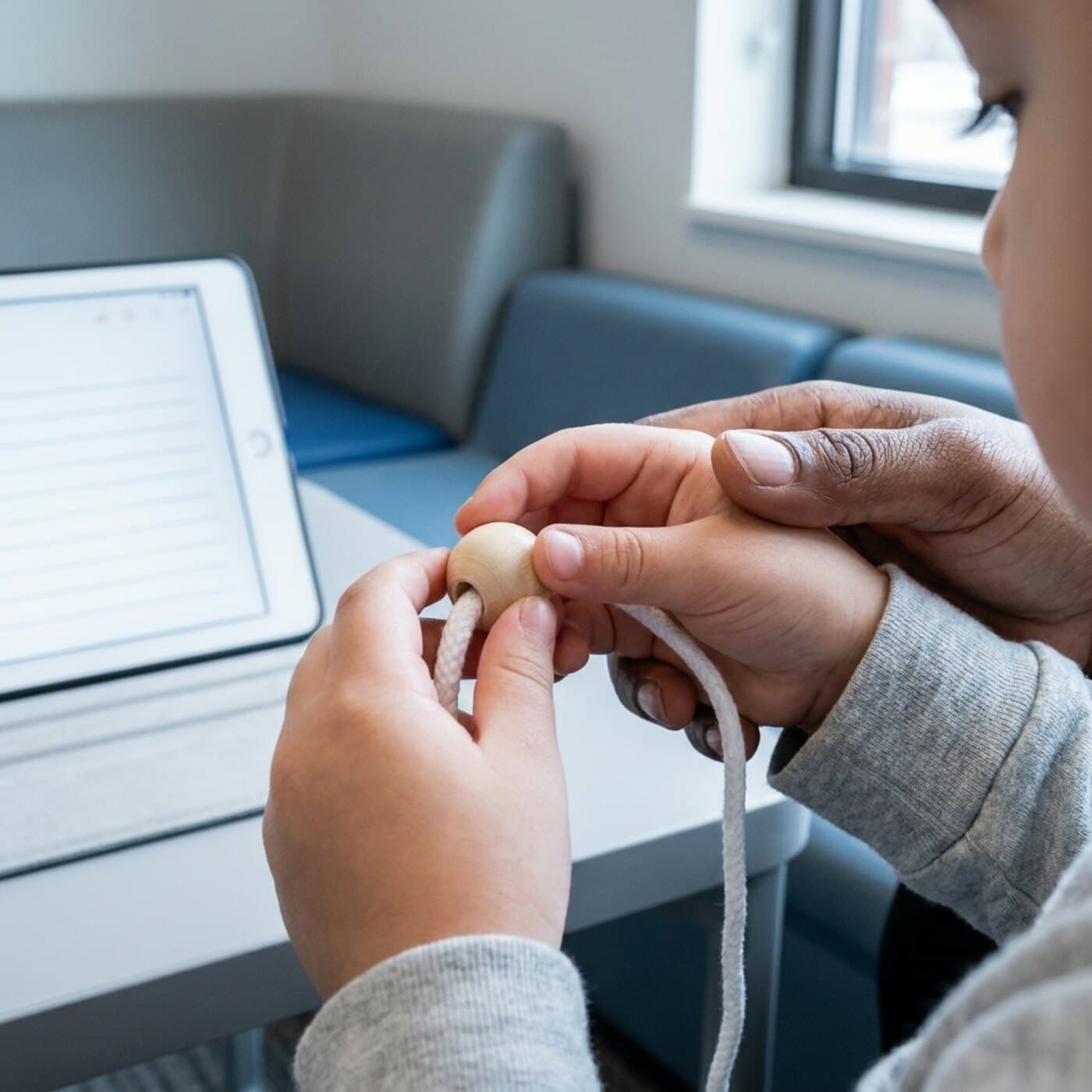
Occupational Therapy
Fine-motor, sensory, and daily-skill support
Talk to us about your child's development.
Tell us your child's age and what you're seeing. Our coordination team responds within 24 hours, typically within 4–6 hours, and explains EI in plain language.