
Mental Health & Behavioral Services
Counseling in schools, homes, and community settings.
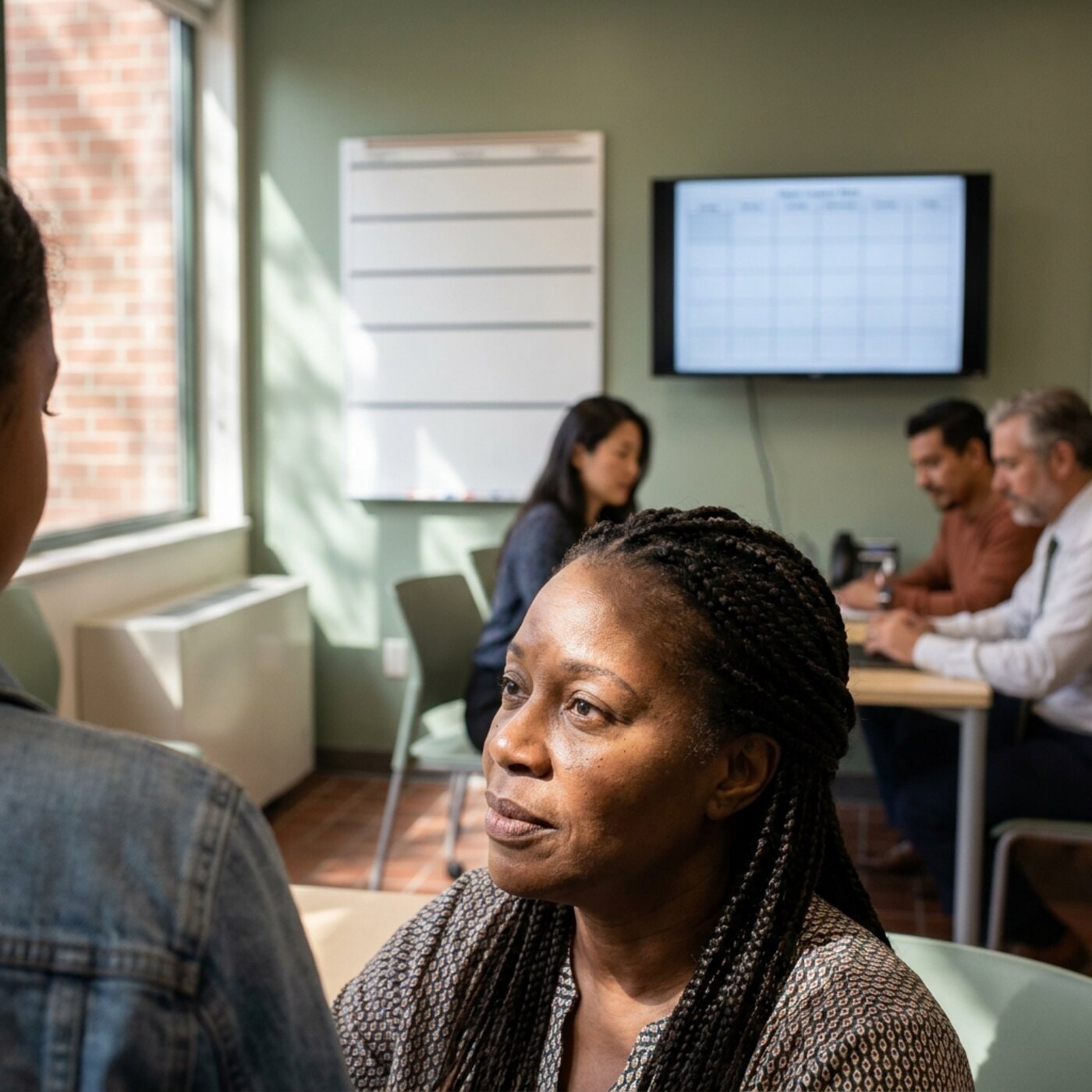
Behavioral health support works best when it is delivered in settings people already know, such as a school office, a family's home, or a community center, and coordinated with the other adults in a person's life.
We provide licensed clinicians and behavior specialists who deliver trauma-informed counseling and behavioral intervention, matched to the population and the funding source. The work is documented to clinical and contract standards.
We already deliver therapy under strict records rules.
Our therapeutic services for students operate every day under licensure, supervision, and confidentiality requirements, with records that meet both clinical and contract standards. Behavioral health support uses the same practices: licensed practitioners, coordination with the adults around each person, and documentation that is accountable to funders and protects the people receiving care.
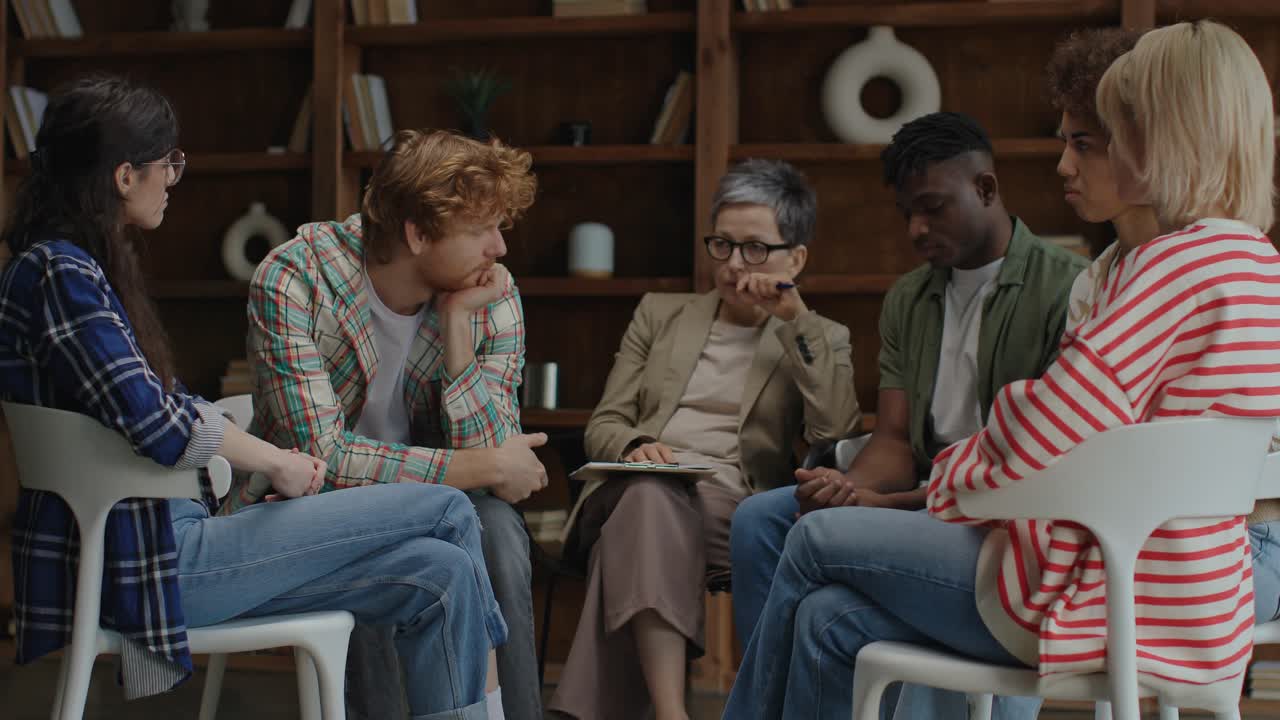
Licensed, trauma-informed care, coordinated with schools and families
Care is delivered by licensed, supervised clinicians using established therapeutic approaches, personalized to the person's background and goals, and coordinated with the schools, families, and agencies already involved so services do not overlap or conflict.
- Individual and family counseling in schools, homes, and community settings
- Licensed, supervised clinicians hold sessions in schools, homes, and community settings instead of a clinic, which makes them easier to attend and to keep up over time.
- Trauma-informed care and behavioral intervention
- Clinicians and behavior specialists begin with the person's background, goals, and setting, then deliver culturally responsive support within their scope of practice.
- Coordination with schools, families, and other providers
- With consent, the clinician keeps teachers, family members, and other providers informed, so the adults supporting one person work toward the same goals.
- Evidence-informed approaches (CBT, TF-CBT, DBT skills, family systems)
- The method is chosen for the individual and the need, drawing on established therapies instead of applying a single house model to everyone in a program.
- Clear clinical records, handled with confidentiality and care
- Session notes are kept to clinical and contractual standards, and information moves to schools or other providers only with appropriate consent.
Who it’s for
- Students needing school-based support
- Families in counseling
- Trauma and grief support
- Behavioral intervention needs
Assess, match, deliver, coordinate
Pick any part of the sentence to see the detail.
We begin with the person's background, goals, and the setting where care will take place, because a plan that does not account for the classroom or household is less likely to work.
Care is delivered by licensed, supervised clinicians and behavior specialists (LCSWs, LMHCs, and others), matched to the need rather than assigned by availability alone.
Sessions happen in schools, homes, and community settings, using trauma-informed, culturally responsive, evidence-informed approaches tailored to the person.
With consent, we coordinate with teachers, families, and other providers so everyone supporting the same person has the same information.
Common questions
Who delivers the clinical services?
Licensed, supervised clinicians and behavior specialists (such as LCSWs, LMHCs, and qualified behavioral staff) working within their scope of practice. Clinical work is supervised, and we match practitioners to the population and setting a program is designed to serve.
What therapeutic approaches do you use?
Established, evidence-informed approaches appropriate to the person and the need (including cognitive behavioral therapy, trauma-focused CBT, DBT skills, and family-systems methods), delivered in a trauma-informed, culturally responsive way. We choose the approach for each person rather than applying one model to everyone.
Can services be delivered in schools and homes, not just a clinic?
Yes, and that is often the purpose. Care is provided in schools, homes, and community settings, and the format is planned around access and continuity so families do not have to come to us. Programs are designed with the funder around the population and setting.
How is sensitive clinical information protected?
Records are maintained to clinical and contractual standards, and information is coordinated with schools, families, or other providers only with appropriate consent and under the privacy obligations that govern behavioral health work.
Still have a question? Call (718) 540-8268, or see the social & community support overview.
If the clinician position is funded but still unfilled
- The clinician position has been posted for months and nobody qualified applies.
- Licensed clinicians are short across New York's community programs, and nonprofit salaries compete with government and health care employers. First pin down the license the role requires, who supervises clinically, and the settings and hours. Call with those and we can tell you whether we can help.
- I'm not sure whether we need a licensed clinic or contracted clinicians at our sites.
- Clinic treatment billed to Medicaid or insurance runs through a program licensed by the State Office of Mental Health, and only a clinic already licensed to serve children can open a school satellite. Other kinds of support are arranged differently, so ask your funder which model it expects.
- Coordinating with teachers and families isn't billable, so it never gets done.
- State guidance says that consultation, meetings and coordination with school staff are not reimbursable in the clinic model, even though they matter. Where your funding allows, write coordination time into the scope and budget from the start. Our approach includes coordination, always with consent.
- The program, its funder and how services are paid for
- License types and supervision the contract requires
- Settings, hours and expected caseload
- Population served and languages needed
- Consent and records requirements
You can call without all of these. We will work out the rest with you.
More in Social & Community Support
Talk to us about a behavioral health program.
Tell us the population, the setting, and the funding source. We respond within 24 hours, typically within 4–6 hours.
Explore other services
All services
Family Support & Case Management

Housing & Homelessness Prevention

Youth Development & Mentorship
IT Systems Integration
Cloud Migration & Infrastructure

Custom Software Solutions

Security & Compliance Support

Specialized Government Recruitment

Temporary & Permanent Staffing

Workforce Strategy Consulting

Professional Development & Training

Compliance Monitoring & Reporting