Family Support & Case Management
Each family works with one coordinator.
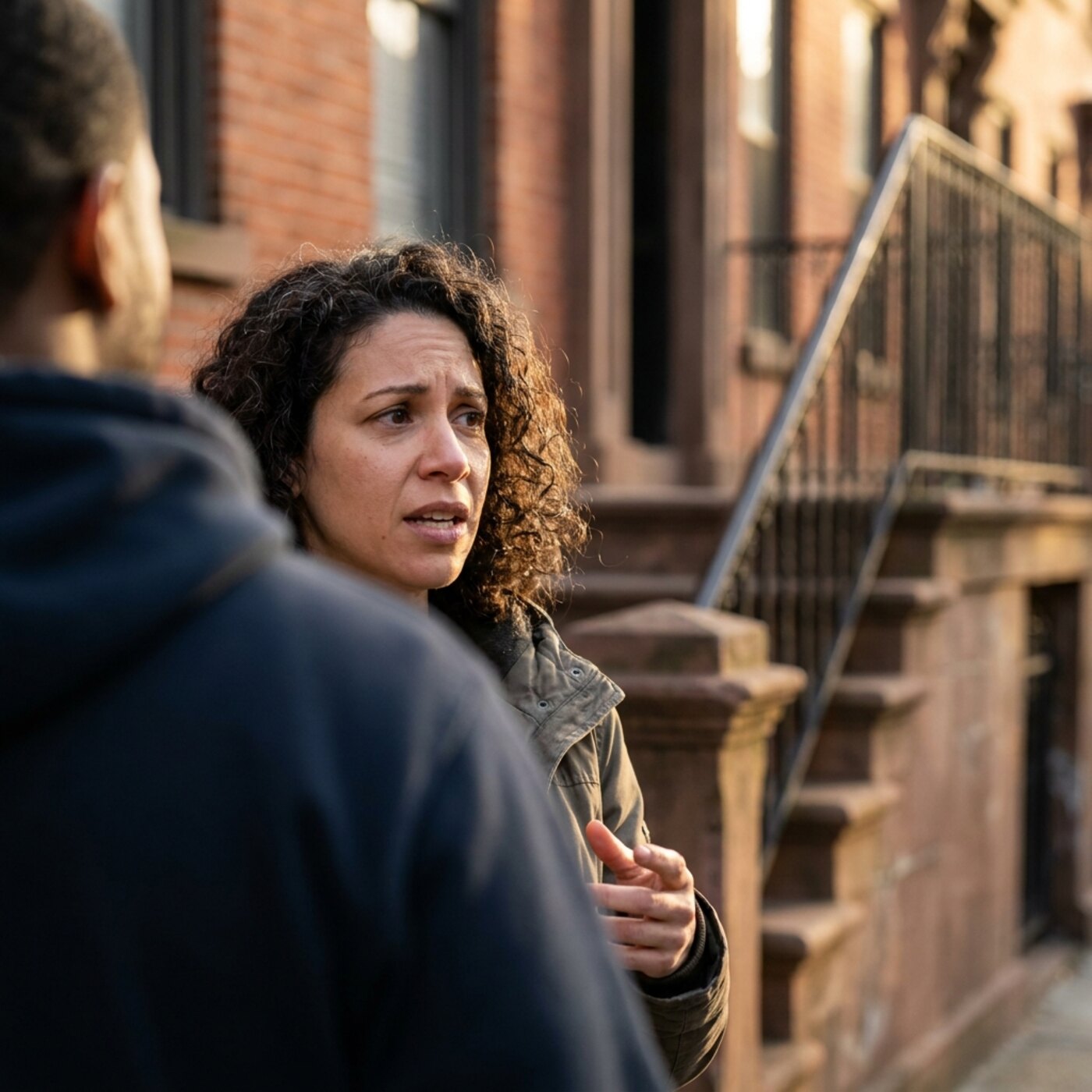
Families in crisis often face several issues at once, such as a housing problem, a benefits appeal, a school meeting, and a sibling's needs, each handled by a different agency.
We assign one coordinator who works across all of them: identifying what the family needs, connecting them to services they qualify for, and keeping one record so they do not have to repeat their history at each intake desk. We document the work to the same standard that keeps our education contracts audit-ready.
Family support builds on our student service coordination.
Every week, our service coordinators track hundreds of students across schedules, providers, and reporting deadlines, and a student's needs often extend beyond the school day. Family support grew out of that work. It uses the same practices: one accountable coordinator, documented contacts, and accurate outcome reporting, applied to the whole household rather than a single service line.

Services planned with the family and documented for the funder
We start from the family's own priorities and build a plan with one named person accountable for it. Every step is documented, so outcomes can be shown to the funder.
- Individualized service planning and goal-setting with the family
- Intake happens in plain language, in the setting the family prefers, and the written plan starts from their own priorities with one named coordinator accountable for it.
- Benefits and entitlement navigation and advocacy
- The coordinator maps what the household qualifies for, helps the family through the applications involved, and attends the meetings that matter alongside them.
- Resource mapping and warm referrals across agencies
- Each referral is a direct introduction to a person at the receiving agency, recorded in the case file so services for the same household do not duplicate or contradict.
- Short-term stabilization and crisis-response coordination
- When a family faces several problems at once, one coordinator keeps track of the whole situation and organizes the agencies involved, so the family does not have to deal with each agency separately.
- Progress documented at every contact, plans adjusted as needs change
- Contacts, goals, and outcomes are recorded when they happen, and the plan is revisited as circumstances shift, so funders see reporting against measures set at the start.
Who it’s for
- Families navigating multiple systems
- Single-parent households
- Families facing housing instability
- Child-welfare-involved families
How family support works
Pick any part of the sentence to see the detail.
Intake is done in plain language, in the setting the family prefers (home, community, or office), and the family's priorities shape the plan.
Each family has one coordinator to call, who knows their case. The funder also has one person to ask for the file.
We map what the family qualifies for, make warm referrals, attend the relevant meetings, and keep the agencies serving the same household from duplicating or contradicting each other.
Contacts, goals, and outcomes are recorded when they happen, and the plan is updated as circumstances change, so progress is tracked throughout.
Common questions
What practices guide your case-management work?
Established, evidence-informed approaches (strengths-based assessment, trauma-informed care, culturally responsive and family-centered practice) delivered by trained, supervised staff. We also follow set operating practices: one accountable coordinator, documented contacts, and coordination among everyone serving the same family.
How long does a family typically stay engaged?
It depends on the need and the funding source. Some families stabilize in a few months; others work with a coordinator over a year or more as they move through housing, benefits, or child-welfare processes. We agree on the expected length of support with the family and the funder at the start, so it is not left open-ended.
How do you measure whether the support is working?
Each engagement defines its outcome measures up front (housing stability, benefits secured, school attendance, family-defined goals), and we track them from the first contact. Funders receive reporting against those measures, including where a plan is falling short, so it can be corrected.
How do you handle the family's private information?
With consent and under the privacy obligations that apply. Case records track who is providing what so services are not duplicated, and information is shared between agencies only with the family's consent and handled under the confidentiality rules that govern the program.
Still have a question? Call (718) 540-8268, or see the social & community support overview.
If caseloads are rising and case managers are leaving
- Every time a case manager leaves, their families start over with someone new.
- Turnover in this sector is driven mostly by pay, so plan for it. The protection is a record kept at every contact, so the next coordinator starts with the family's full history. That is how we set coordination up: one named coordinator, and contacts documented as they happen.
- The contract isn't registered yet, and I still have to staff it by the start date.
- Late registration is common on city human services contracts, and the start date rarely moves with it. Bring the contract term, the budget lines and what the agency has told you about timing. On a call we can work out which coordination capacity is realistic early and which has to wait.
- Can I even bring in an outside organization under this contract?
- On city human services contracts the agency has to approve a subcontractor before any work begins, and that approval now runs through PASSPort. Ask your contract manager about subcontracting before you scope anything. Call with the scope and reporting requirements to hand and we can talk through what fits.
- The program, its funder and the contract term
- Reporting and documentation requirements in the contract
- Current caseloads and open coordinator positions
- Population served and languages needed
- Target start date
You can call without all of these. We will work out the rest with you.
More in Social & Community Support
Talk to us about a family-support program.
Tell us the population, the need, and the funding picture. We respond within 24 hours, typically within 4–6 hours.
Explore other services
All services
Housing & Homelessness Prevention

Mental Health & Behavioral Services

Youth Development & Mentorship

IT Systems Integration

Cloud Migration & Infrastructure

Custom Software Solutions

Security & Compliance Support

Specialized Government Recruitment

Temporary & Permanent Staffing

Workforce Strategy Consulting

Professional Development & Training

Compliance Monitoring & Reporting