Health Information Technology
EHR, telehealth, and data-sharing support for healthcare organizations.
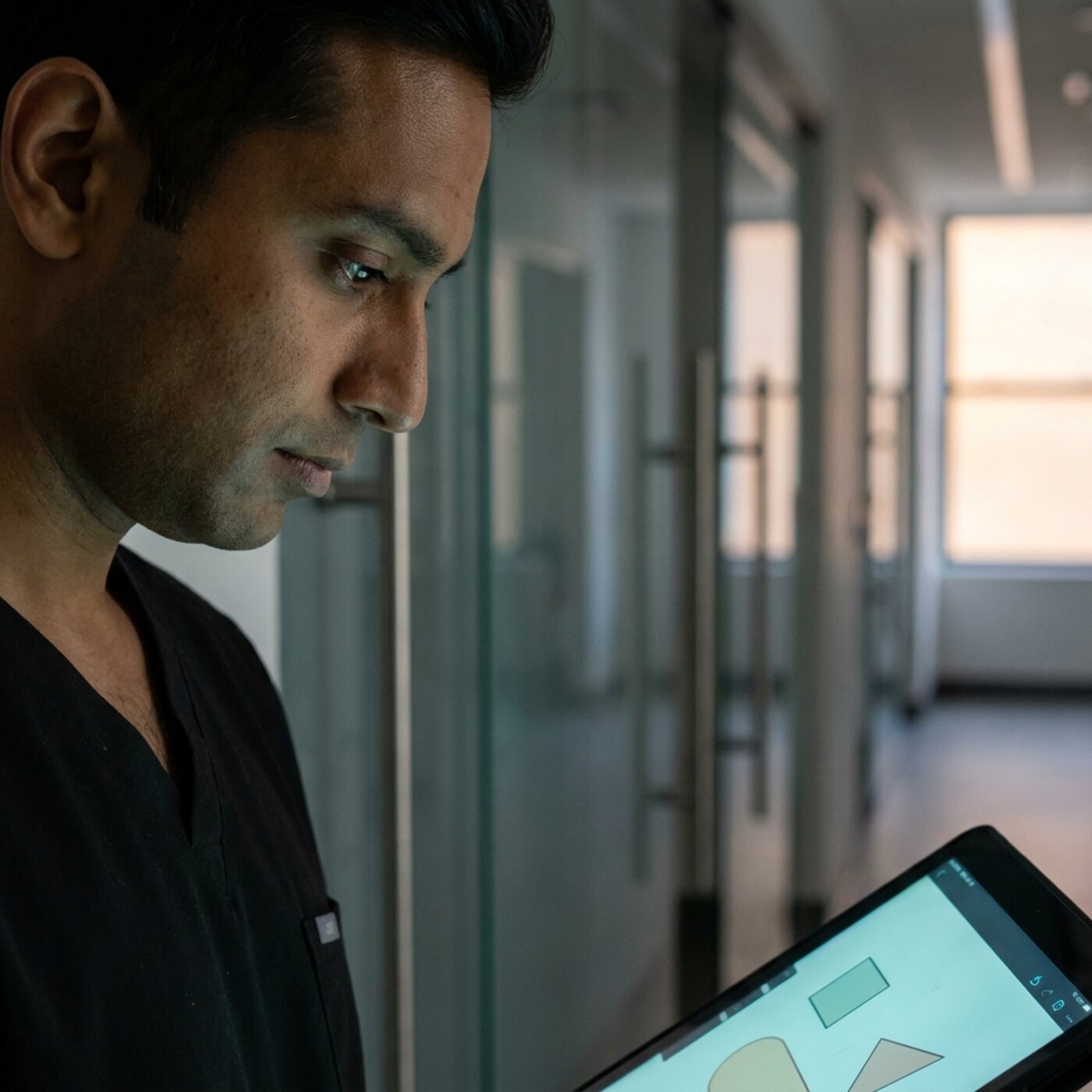
We help healthcare organizations implement and improve electronic health records, telehealth platforms, and data-sharing tools so care teams coordinate and patients receive safer, more consistent care. Our work follows HIPAA privacy and security requirements while strengthening clinical workflows.
Clinicians need timely, accurate patient records.
Care depends on timely, accurate patient information that follows the patient between settings. Well-planned health IT projects give clinicians complete records, reduce duplicate effort, and strengthen security, helping organizations meet regulatory requirements while improving outcomes.

Implementation and interoperability support
We help hospitals, health systems, FQHCs, and community providers plan and deliver technology projects while care continues, with a focus on reliable data at the point of care, clear workflows, and security practices that meet regulatory expectations.
- Electronic health record (EHR) implementation and improvement
- Working inside the record system an organization already uses, we help with configuration, interface development, reporting, and ongoing support.
- Telehealth platform configuration and rollout
- The platform is set up around existing clinical workflows, and the rollout is planned in stages so that care continues while staff learn the new tool.
- Interoperability and data-exchange services
- Integrations are designed on common health data standards so that records for care transitions and referrals move securely between the systems involved.
- HIPAA-aligned privacy and security frameworks: risk analysis, access controls, encryption, auditing, and training
- A documented privacy and security program covers a security risk analysis, role-based access, encrypted data, audit logs, incident response procedures, and workforce training.
- Clinical workflow design and integration across settings
- Clinicians and staff help map how information should reach the point of care, and the workflows are then redrawn to cut duplicate effort between settings.
- Health information exchange (HIE) integration and API development
- Connections to health information exchanges are built and documented, along with the interfaces that let an organization share patient information securely.
Who it’s for
- Hospitals
- Health systems
- FQHCs
- Community providers
How an engagement works
Pick any part of the sentence to see the detail.
EHR improvement and clinical workflow design strengthen care coordination and daily clinical operations.
Complete, accurate records at the point of care support patient safety and clinical decision-making.
Security risk analysis, role-based access, encryption, audit logging, and workforce training support regulatory compliance and data security.
Integrations use standards such as HL7 FHIR, connect to health information exchanges, and use APIs for secure, standards-based data sharing.
Common questions
How do you address HIPAA requirements during technology projects?
We implement a privacy and security program that includes security risk analysis, role-based access, encryption in transit and at rest, audit logging, incident response procedures, and workforce training. Controls are documented and mapped to HIPAA and related guidance.
Which EHR systems do you support?
We work within the EHR platform an organization already uses rather than steering it toward a particular vendor. Services include implementation support, configuration, interface development, reporting, and ongoing support tailored to that system.
How do you approach interoperability and data exchange?
We design integrations using standards such as HL7 FHIR and DICOM, connect to HIEs, and develop APIs for secure exchange. Workflows cover care transitions, referrals, and patient information sharing while maintaining security and compliance.
Still have a question? Call (718) 540-8268, or see the healthcare overview.
If your record system is slowing staff down
- Our clinicians finish charting at night and blame the record system.
- Much of that burden is configuration and workflow rather than the product: templates, duplicate entry, tasks routed to the wrong role. We work within the system you already use, look at how a visit is documented, and change the workflow before anyone talks about replacing software.
- Outside records arrive by fax and someone retypes them into the chart.
- List the few exchanges that cost the most staff time, often hospital discharges, labs and referrals, and fix those first instead of chasing full connectivity. We design standards-based integrations and health information exchange connections around those workflows. A short call can sort which are worth doing.
- Our security risk analysis is old and only ever covered the record system.
- That is a common gap. A risk analysis is expected to cover everywhere patient information lives, including outside vendors, and to be followed by a documented plan. We can scope one with you and tie the findings to access controls and staff training.
- Record system in use and who supports it
- Other systems it should exchange data with
- Date and scope of your last security risk analysis
- Any go-live, renewal or contract date coming up
- Who owns the project internally
You can call without all of these. We will work out the rest with you.
More in Healthcare
Tell us about your health IT project.
Contact us to discuss how our Health Information Technology services can improve your clinical workflows and care coordination and support HIPAA compliance.
Explore other services
All services
Community Health Programs

Quality Improvement

Regulatory & Grant Support
IT Systems Integration

Cloud Migration & Infrastructure

Custom Software Solutions

Security & Compliance Support

Specialized Government Recruitment

Temporary & Permanent Staffing

Workforce Strategy Consulting

Professional Development & Training

Family Support & Case Management