Process Optimization
Process improvement for government agencies.

We help public agencies simplify operations, remove bottlenecks, and improve service delivery through clear analysis and practical workflow redesign.
Our team uses data to find what slows work down and implements changes that reduce costs while improving the resident experience. We work with agency staff to analyze work, identify improvements, and put in place changes that last and can be measured.
Residents expect responsive services.
A structured, data-based approach helps agencies meet those expectations within budget. We focus on changes that last, fit the agency's mission, and benefit both the agency and the communities it serves.
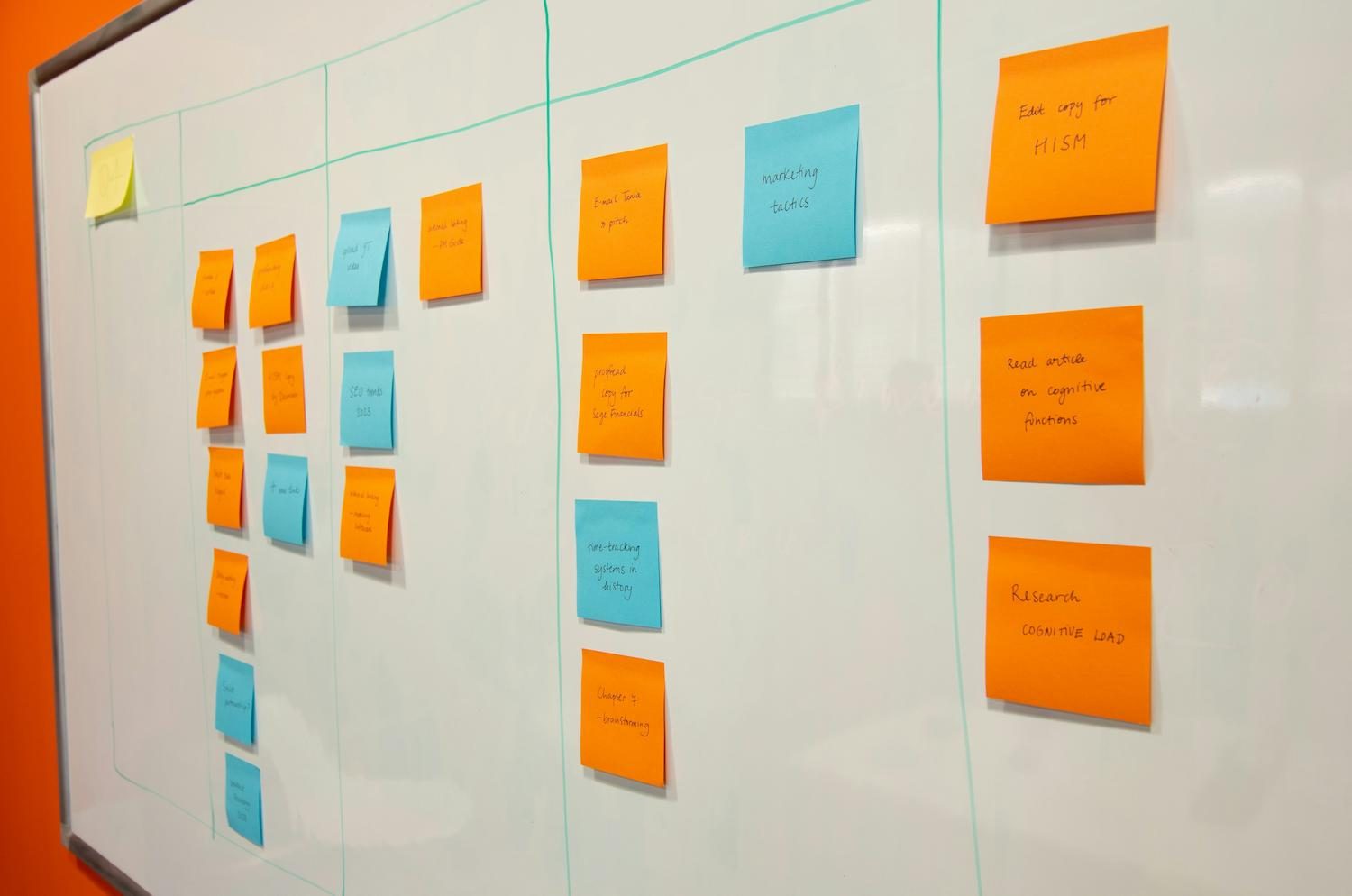
Mapping how work moves today
Agencies must balance speed with accountability, transparency, and compliance. Our Process Optimization work maps how tasks move today, pinpoints pain points, and puts better routines in place without losing sight of legal and policy requirements.
- Process reviews and current-state maps
- Staff interviews and data review produce a step-by-step map of how a task moves through the agency today, showing where it waits, loops back, or stalls.
- Performance metrics and clear baselines
- Before anything changes we measure how the work performs now, so later improvements can be compared with a starting point everyone accepts.
- Workflow redesign and sensible automation
- Unnecessary steps are removed and routine handoffs are automated where that helps, while legal and policy requirements stay in the redesigned process.
- Resource and capacity alignment, with quality checks and error-reduction measures
- Workload reviews match staff time to where demand falls, and checkpoints are added at the steps where root-cause analysis shows errors begin.
- Stakeholder engagement and clear communications
- Staff are involved early and often, and everyone affected is told plainly what is changing, why it is changing, and when it takes effect.
- Implementation planning and change support
- New practices are piloted in small cycles with hands-on training and staff feedback, so they are understood and tested before wider use.
- Performance monitoring and routines to sustain gains
- Regular reviews of the agreed measures keep results visible to managers and give agency staff the habits they need to keep improving on their own.
Who it’s for
- Agencies facing delays or backlogs
- Services drawing resident complaints
- Agencies under budget pressure
- Teams strengthening performance measures
- Programs building accountability
How an engagement works
Pick any part of the sentence to see the detail.
Data review, staff interviews, process mapping, and performance metrics show where work slows down, with high-volume, high-impact, or compliance-sensitive processes prioritized first.
Targeted changes reduce processing time, remove unnecessary steps, and lower operating costs while maintaining quality.
Iterative pilots, hands-on training, and feedback cycles involve staff early and often, delivering faster, more reliable services for residents.
Performance monitoring and routines increase transparency and accountability and build internal capacity to keep improving.
Common questions
How do you identify which processes need optimization?
We combine data review, staff interviews, process mapping, and performance metrics to spot inefficiencies. We prioritize high-volume, high-impact, or compliance-sensitive processes to deliver the greatest benefit.
What methods do you use?
We match the approach to the problem. Typical tools include process mapping, root-cause analysis, workload and policy reviews, iterative pilots, and feedback cycles. The method fits the process and its constraints.
How do you secure staff buy-in?
We involve staff early and often. Change plans include clear communication, hands-on training, pilots, and feedback loops so new practices are understood, tested, and sustained.
Still have a question? Call (718) 540-8268, or see the government overview.
If the backlog is growing and you cannot add staff
- The backlog grows every month and I am not getting more staff to clear it.
- When headcount is fixed, the capacity has to come from the work itself: steps that repeat, handoffs where items wait, and errors that send cases back. We map how a case moves, measure where it sits, and start with the high-volume steps where a change frees the most time.
- Nobody can tell me how long a case takes from start to finish. We only hear complaints.
- Without a baseline, every fix is a guess and every improvement is hard to show to a budget office or an oversight body. Our first step is a current-state map with a few plain measures, such as time in each stage and rework rate, so you can see where the delay is before changing anything.
- We have tried fixing this before. Things improved for a month and then slid back.
- Gains slip when the change was designed without the people doing the work, or when nobody kept watching the numbers afterward. We pilot with frontline staff, adjust from their feedback, and leave a monitoring routine that a supervisor can run. Tell us what was tried last time and we can start from there.
- The process or service that is backing up
- Any volume, timeliness or complaint data you already have
- Teams and systems the work passes through
- Rules or policy steps that cannot change
- Earlier improvement attempts and what happened
You can call without all of these. We will work out the rest with you.
More in Government
Tell us where work is slowing down.
Contact us to discuss how Process Optimization can help your agency work more efficiently and serve residents better.
Explore other services
All services
Compliance & Auditing

Digital Transformation

Organizational Development

IT Systems Integration

Cloud Migration & Infrastructure

Custom Software Solutions

Security & Compliance Support

Specialized Government Recruitment

Temporary & Permanent Staffing

Workforce Strategy Consulting

Professional Development & Training

Family Support & Case Management